Thumb Brace insights shared to help improved mobility and comfort
Wiki Article
Check out the Role of Thumb Braces in Rehabilitation for Hand Injuries and Pain Alleviation
Thumb injuries can significantly prevent day-to-day activities and total hand function. Correct rehabilitation is important for recuperation, and thumb braces are a vital component of this process. These devices give the necessary assistance and stability, assisting to minimize pain and promote recovery. Understanding the various types of thumb dental braces and their specific advantages is important for effective rehabilitation. Canadian Orthopedic Supply. What elements should one take into consideration when choosing the most ideal support for their needs?Understanding Thumb Injuries and Their Impact
Although usually taken too lightly, thumb injuries can substantially harm hand function and overall top quality of life. The thumb plays a crucial role in clutching and adjusting items, and any kind of injury can interrupt these vital tasks. Common sources of thumb injuries include sprains, fractures, and ligament injuries, usually arising from sporting activities, drops, or repeated stress. Such injuries can bring about pain, swelling, and lowered mobility, making daily tasks challenging.People may experience difficulties in comprehending items, which can affect their capability to carry out jobs, participate in leisure activities, or take care of themselves. Mental impacts, such as frustration and reduced self-esteem, might additionally arise as a result of limitations in hand function. Early treatment and proper rehabilitation techniques, including using thumb braces, are essential to restoring motion and stamina. Understanding the value of thumb injuries is crucial for efficient treatment and improving the quality of life for individuals affected.
Types of Thumb Braces Available
Numerous kinds of thumb dental braces are offered to provide to different requirements in rehabilitation. Stiff thumb supports offer stability and immobilization, while adaptable thumb sustains supply a balance in between assistance and mobility. Comprehending these alternatives can aid individuals choose the most ideal support for their particular injury and recuperation goals.Rigid Thumb Braces
Rigid thumb dental braces are necessary devices in the rehabilitation of hand injuries, offering stable support to the thumb while limiting too much motion. These braces are usually created from sturdy products such as thermoplastics or metal, ensuring maximum strength. Their style typically consists of adjustable bands, enabling for a customized fit that improves immobilization and convenience. Rigid thumb dental braces are particularly advantageous for problems like thumb tendon injuries, joint inflammation, or post-surgery recuperation, as they help alleviate discomfort and prevent additional injury during the recovery process. By restricting the thumb's series of motion, these braces help with correct placement and promote healing. On the whole, stiff thumb dental braces play an essential duty in restoring performance and managing pain in people with thumb-related injuries.Flexible Thumb Sustains
While inflexible thumb braces offer important support during recuperation, flexible thumb supports also play a critical role in rehab by providing an equilibrium between flexibility and security. These assistances are designed to fit a variety of injuries, from mild sprains to post-operative recuperation, permitting boosted activity while still providing protection. Made from products like neoprene or elastic, versatile thumb sustains can contour to the hand's shape, ensuring convenience throughout use. They might feature flexible bands to customize the fit, improving user compliance. Additionally, these supports can assist in discomfort alleviation by advertising flow and reducing pressure on damaged tissues. Overall, adaptable thumb supports offer as an effective alternative for people seeking both support and useful motion throughout rehabilitation.Benefits of Making Use Of a Thumb Brace
Utilizing a thumb support can substantially enhance the rehab process for individuals recovering from hand injuries. These braces supply vital support, decreasing and maintaining the thumb stress throughout activity. This stablizing is very important for decreasing discomfort, allowing individuals to take part in day-to-day tasks without exacerbating their condition.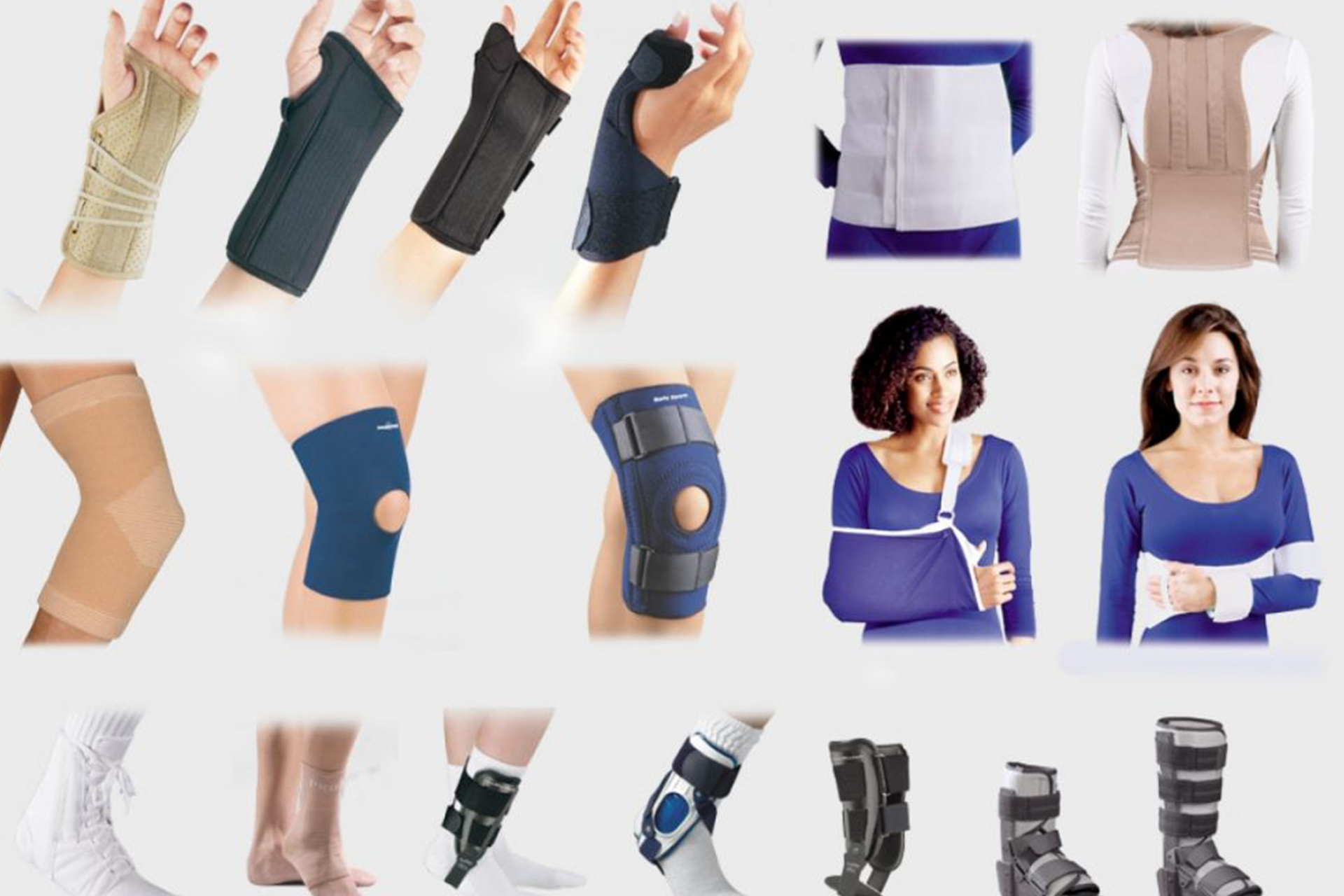
Moreover, numerous thumb dental braces are created with convenience in mind, making them very easy to wear throughout the day. This access encourages consistent use, which is vital for efficient recuperation. Overall, the advantages of utilizing a thumb support significantly contribute to boosted outcomes in hand injury recovery.
How to Pick the Right Thumb Brace
Picking the best thumb brace needs careful consideration of injury extent, as this influences the degree of assistance needed. In addition, the materials and layout of the support play an essential function comfortably and functionality. Evaluating these factors guarantees efficient rehab and recovery.Analyzing Injury Severity
Just how can one properly evaluate the intensity of a thumb injury to choose the appropriate support? A thorough assessment typically starts with understanding the kind of injury, such as strains, cracks, or ligament problems. Clinical specialists commonly advise observing signs and symptoms like pain strength, swelling, and series of activity limitations. Additionally, the duration of signs can give understandings right into the injury's severity; severe injuries might need instant assistance, while chronic conditions might require a different method. Analysis imaging, such as X-rays, can aid validate fractures. Ultimately, people must speak with healthcare suppliers to assure an accurate evaluation, allowing for the choice of a brace that supplies the best level of convenience, immobilization, and support to help with optimal recovery.Product and Style Aspects
When picking a thumb brace, individuals should consider both material and layout aspects to guarantee excellent support and convenience during the healing procedure. Materials such as thermoplastics, textile, and neoprene use varying degrees of breathability, adaptability, and rigidity. Neoprene gives warmth and compression, while thermoplastics supply architectural support for extra serious injuries.Layout attributes, consisting of adjustability, extra padding, and simplicity of application, are additionally vital. A support with adjustable bands can accommodate Thumb Brace swelling throughout healing, ensuring a safe fit. Additionally, ergonomic styles that permit natural thumb motion can boost capability during everyday tasks. On the whole, choosing a thumb support that combines suitable materials and thoughtful layout is vital for efficient rehabilitation and discomfort alleviation.
Tips for Effective Use of Thumb Braces
Thumb dental braces can substantially aid in the recovery of hand injuries, their effectiveness mostly depends on appropriate use. Individuals must validate that the support fits well but conveniently, giving appropriate support without restricting flow. It is important to comply with clinical recommendations regarding period of wear, as overuse can result in muscle mass atrophy. Consistently examining for signs of irritation or discomfort can aid protect against further problems.Furthermore, users should take part in gentle extending and reinforcing exercises as suggested by a medical care expert, as this can improve the brace's benefits. Preserving proper hand health is crucial, especially if the brace is used for extensive durations. People need to be mindful of their daily tasks, staying clear of activities that may exacerbate their problem while wearing the brace. By adhering to these tips, users can take full advantage of the rehabilitative potential of thumb braces.
Integrating Thumb Braces With Various Other Rehab Techniques
Integrating thumb supports with other rehabilitation strategies can considerably improve recovery outcomes for hand injuries (Splint). Combining thumb braces with physical treatment, for circumstances, permits patients to gain from both assistance and targeted exercises. While the brace immobilizes and protects the thumb, physical therapy can reinforce bordering muscular tissues and enhance overall feature
Incorporating ergonomic modifications at work or home can avoid more stress on the thumb. Generally, a multi-faceted technique that combines thumb dental braces with these rehab strategies can substantially enhance the efficacy of recovery efforts, leading to much better lasting end results for people taking care of hand injuries.
Frequently Asked Concerns
Just how Long Should I Put On a Thumb Brace Daily?
Normally, individuals must wear a thumb support for 4 to 6 hours daily, depending on the seriousness of their condition. It is a good idea to speak with a healthcare professional for individualized suggestions based upon details demands.Can Thumb Braces Be Utilized for Arthritis Pain?
Yes, thumb dental braces can be utilized to alleviate joint inflammation discomfort (brace). They supply support, restriction movement, and decrease strain on impacted joints, contributing to enhanced convenience and function for people experiencing signs and symptoms related to joint inflammation in the thumbAre There Any Type Of Negative Effects of Utilizing a Thumb Brace?
Utilizing a thumb brace may bring about prospective side impacts, consisting of reduced mobility, muscle weakness, skin irritation, or discomfort. It is necessary for individuals to check their symptoms and consult a healthcare expert if problems occur.Just how Do I Tidy and Keep My Thumb Brace?
To cleanse and maintain a thumb brace, hand clean it using moderate soap and warm water, then air dry thoroughly. Consistently check for wear and tear, changing it as required to ensure peak assistance.Should I Seek advice from a Doctor Before Making Use Of a Thumb Brace?
Consulting a doctor before making use of a thumb support is advisable. A healthcare expert can offer assistance on proper usage, assure it suits the particular condition, and protect against difficulties connected with unneeded or inappropriate brace application.
Report this wiki page